
Better Bread Starts in the Basket
What a banneton actually does, which size suits your loaf, how to use one, and why your dough sticks to it.

Bannetons You Can Buy Now
Currently listed by Bakeware New Zealand. Exact dimensions and materials are on each product page.
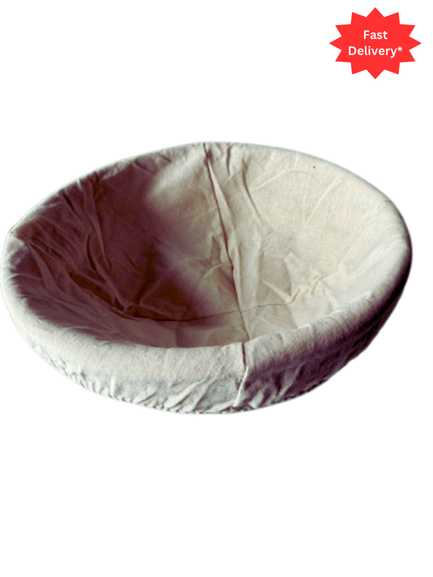
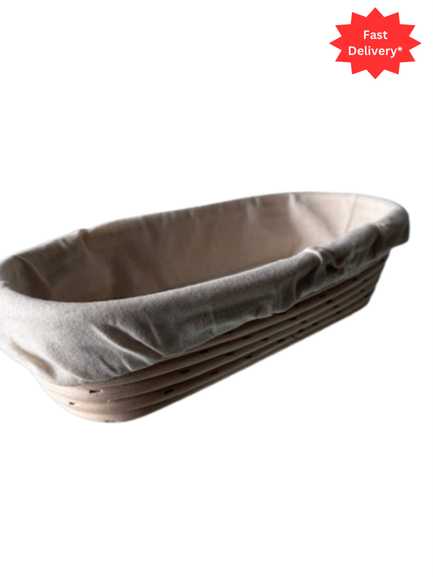
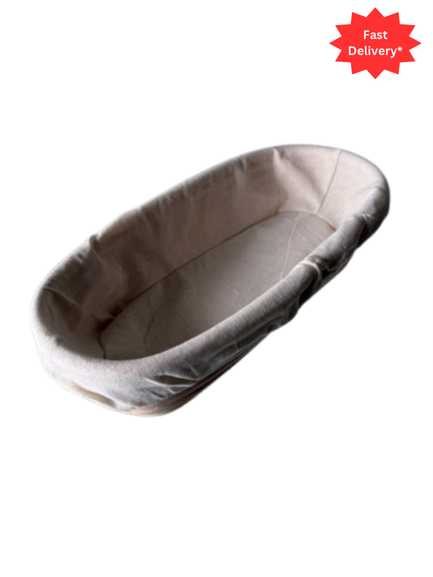
What a Banneton Actually Does
A banneton — also called a proofing basket or a brotform — holds a shaped loaf through its final rise. It does three things at once:
- Supports the dough. A slack, high-hydration dough has no structure of its own. The basket makes it rise upward instead of relaxing sideways, which is where oven spring and an open crumb come from.
- Dries the surface slightly. The cane wicks a little moisture from the outside of the dough, which helps you score it cleanly and gives a better crust.
- Leaves the pattern. Those concentric ridges on a sourdough loaf are the basket's weave pressed into the surface. Decorative, not functional, but it is why loaves look the way they do.
You can improvise with a bowl lined with a well-floured tea towel, and plenty of people do. You lose the ridge pattern and some of the surface drying, but the bread is fine.
Which Size Should You Buy?
Size is matched to dough weight, not to the number of people eating. A rough guide:
Round, around 20cm — Roughly 500g of dough
The standard round loaf, and the usual first basket. Suits a recipe built on about 300–350g of flour — enough bread for two or three people for a couple of days.
Oval, around 28cm — Roughly 500–750g of dough
A batard, the classic long loaf. Slices into a more usable sandwich shape than a round, which is why many bakers move to oval and stay there.
Oval, around 30cm — Roughly 750–900g of dough
A larger batard for a household that gets through a loaf quickly, or when you want a longer, lower loaf with more crust per slice.
Oval, around 35cm — Roughly 900g–1.2kg of dough
A big loaf. Worth checking it fits your baking vessel and your oven before you commit — a basket bigger than your Dutch oven is a frustrating purchase.
Two things people wish they had checked first: whether the basket fits inside the Dutch oven or vessel they bake in, and whether it fits in the fridge for an overnight cold prove. Measure both before you buy the big one. Exact dimensions for each basket are on its product page.
How to Use One
The basket does not go in the oven. The dough is turned out onto paper, a peel, or straight into a preheated vessel, and the basket goes back on the shelf.
Why the Dough Sticks
A loaf welded into the basket is the classic first-timer's disaster, and it is almost always one of four things:
Not enough flour, or the wrong flour
Rice flour, generously, rubbed into the grooves. Plain wheat flour absorbs water from the dough and turns to paste against the basket.
The basket is too new
A brand-new basket sticks more than a seasoned one. The first few bakes want extra flour while the surface builds up.
The dough is too wet for the basket
Very high-hydration dough needs either more flour in the basket or a liner. If you are new to sourdough, a slightly drier dough is far more forgiving.
Hesitating on the turn-out
Dough releases best in one decisive movement. A slow, tentative inversion gives it time to grab.
If you take one thing from this page: use rice flour, and use more than feels sensible. It is the single change that fixes most sticking problems.
Looking After It
The care instructions are counter-intuitive, because the instinct is to wash it:
- Do not wash a new basket before first use. Flour it well and use it — a light coating builds up over time and is what stops dough sticking.
- Never use soap or a dishwasher. A banneton is not a dish; soap soaks into the cane and comes back out in your bread.
- After each bake, tap out the loose flour and let the basket air-dry completely before it goes away. Damp is the only real enemy.
- Every few bakes, brush the grooves out with a dry pastry brush or a stiff brush to clear packed old flour.
- If it does grow mould from being put away damp, brush it out, and let it dry thoroughly in the sun or a barely warm oven.
- Store it somewhere with air around it — an open shelf, not a sealed container or a plastic bag.
A well-used banneton with flour worked into the weave releases dough better than a new one. It is one of the few pieces of kitchen equipment that genuinely improves with age and neglect.
How to Order
Delivery is free on orders above $69, and there is no minimum order value. Enter your postcode at checkout to confirm delivery coverage for your address, or read how DoorToShop works.
Frequently Asked Questions: Bannetons
What is a banneton?
A banneton, also called a proofing basket or brotform, is a basket that holds a shaped loaf while it does its final rise. It supports the dough so it rises upward instead of spreading outward, wicks a little moisture from the surface to help the crust, and leaves the spiral ridge pattern you see on the outside of a sourdough loaf.
Do I actually need one?
No, but it makes a noticeable difference to a wet dough. Without one, a slack sourdough tends to spread into a flat disc during the final prove. A bowl lined with a well-floured tea towel is the usual improvised substitute and works reasonably well — you just do not get the ridged pattern or the same surface drying.
What size banneton should I buy?
Match it to the dough weight you normally bake. As a rough guide, a round of about 20cm suits roughly 500g of dough, an oval of about 28cm suits 500–750g, about 30cm suits 750–900g, and about 35cm takes 900g to 1.2kg. Also check the basket fits inside whatever you bake in — a basket larger than your Dutch oven is a frustrating purchase.
Round or oval — which is better?
Neither is better; they make different loaves. A round basket makes a boule, which looks the part and suits a round Dutch oven. An oval makes a batard, which slices into a more practical sandwich shape. Many bakers start round and end up preferring oval for everyday bread.
How do I stop the dough sticking to the basket?
Use rice flour rather than wheat flour, use more of it than feels reasonable, and rub it into the grooves rather than dusting the top. Rice flour does not absorb moisture from the dough, so it stays as a dry barrier. A new basket sticks more than a seasoned one, so be generous for the first few bakes.
Do I need to season a new banneton?
Not in the sense of oiling it. Do not wash it before first use — just flour it well and bake with it. A light coating of flour builds up in the weave over time, and that is what makes an older basket release so easily.
How do I clean a banneton?
Tap out the loose flour and let it air-dry completely. Do not use soap, water or a dishwasher — the cane absorbs it and it ends up in your bread. Every few bakes, brush the grooves out with a dry brush to clear packed flour.
What if it goes mouldy?
That comes from putting it away damp. Brush it out and dry it thoroughly in the sun or a barely warm oven, then store it somewhere with air around it rather than in a sealed container or a bag.
Can I put the banneton in the oven?
No. The dough is turned out of the basket onto baking paper, a peel or into your baking vessel, and the basket stays out of the oven.
How fast is delivery?
Orders are dispatched by the merchant the next business day and typically arrive within 1 to 3 business days by courier. Enter your postcode at checkout to confirm delivery coverage for your address.
How much does delivery cost?
Free delivery applies on orders above $69 — the delivery fee is confirmed at checkout. There is no minimum order value.
Can I order baking equipment with other products?
Yes. DoorToShop is a multi-merchant marketplace, so you can add bakeware to the same cart as groceries and other products available from participating merchants and check out once.