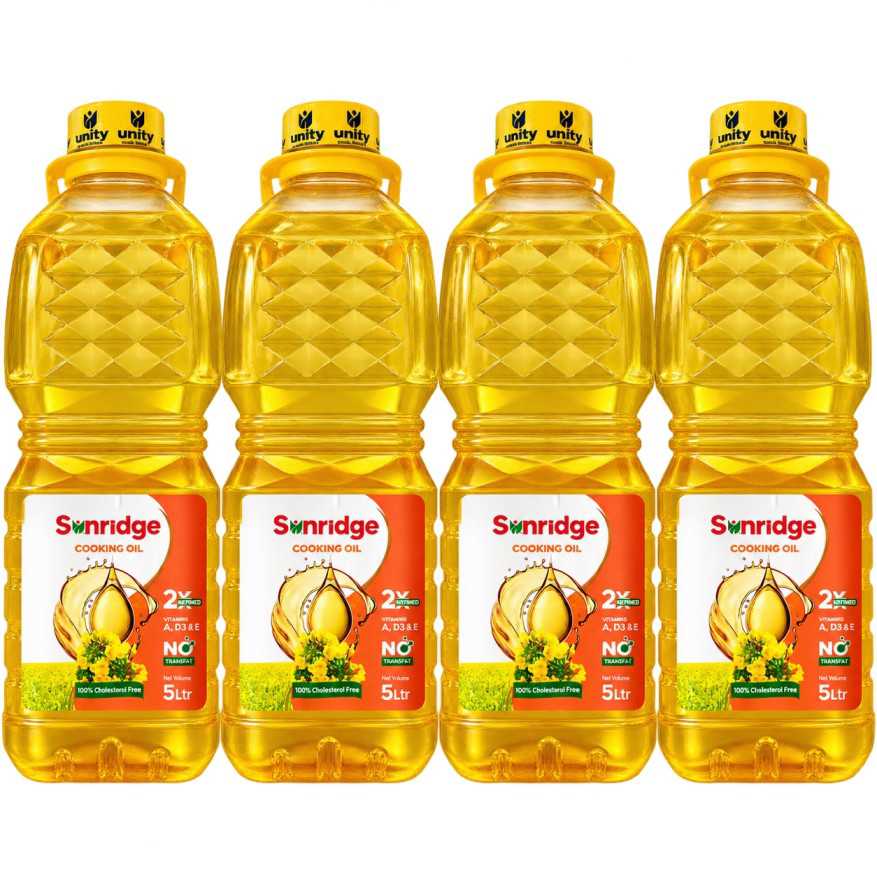
Shop Canola Oil Online
A 20 litre drum delivered from a local store — what it comes to a litre, how to move and store something that size, and how to get more than one frying session out of it.
SUNRIDGE CANOLA OIL 20L
$69.00
about $3.45 a litre · roughly 18kg to lift
Sold by Easy Grocery
Price and availability update live from the listing. The description above is the seller's own wording, reproduced as written, and is not endorsed or verified by DoorToShop — read the drum for the ingredient list, the smoke point and the storage directions, none of which the listing publishes.
What Twenty Litres Comes To
The per-litre figure is the reason to buy a drum, and the weight is the reason to think about it first. Both are worked out from the live listed price and from the density of cooking oil, which runs a little under a kilogram a litre.
Moving and Storing a Drum
Twenty litres behaves differently from a bottle in three ways: it is heavy, it is awkward to pour, and it will be in your kitchen for months rather than weeks. All three are solved on the day it arrives.
Work out where it is going before it arrives.
Twenty litres of oil weighs somewhere around 18 kilograms. That is a two-handed lift you will not want to repeat, so decide on a spot at floor level, out of the way and away from any heat source, and put it there once.
Fit a tap, or decant with a jug.
Pouring from a full drum one-handed is how oil ends up across a floor. Either fit a drum tap if the container takes one, or tip the first few litres into a smaller jug or squeeze bottle while it is still manageable and work from that.
Keep a small working bottle by the stove, and the drum somewhere else.
The bottle you cook from can live near the hob. The drum should not — heat is the fastest way to age oil, and a warm cupboard beside the oven is the worst place in the kitchen for it.
Seal it properly and keep it dark.
Light, heat and air are what turn oil rancid, in that order of nuisance. The cap goes back on straight away, and the drum stays out of direct sunlight — a cool, dark cupboard or a pantry floor.
Trust your nose over the date.
Fresh oil smells of almost nothing. Oil that has gone over smells sharp, waxy or like old crayons, and it will make everything you cook taste the same way. If it smells wrong it goes, whatever the printed date says.
General handling guidance, not instructions for a particular product. Where the drum gives its own storage directions, follow those.
Frying, and Getting a Second Use Out of It
Nobody buys twenty litres of oil to dress a salad. Frying oil can be used more than once if it is strained and stored properly, and knowing when to stop is most of the skill:
- Refining is what lets an oil take high heat: it removes the free fatty acids and particles that burn first, which is why refined oils are the usual choice for deep-frying and unrefined ones are not. Where the pack states a smoke point, that is the figure to work to.
- Strain it while it is warm, not hot. A fine sieve or a piece of muslin takes out the crumbs and batter, and crumbs left in the oil are what break it down fastest — they carbonise every time it is reheated.
- Cool it completely before storing, and keep it sealed and dark. A labelled container with the date and what was cooked in it saves confusion later.
- Do not mix oils across strong flavours. Oil that has fried fish is oil for frying fish; it is not oil for doughnuts.
- Retire it when it tells you to. Oil that has darkened considerably, smells off, foams on the surface, has gone thick and syrupy, or starts smoking at a lower temperature than it used to, has had enough. Reusing it past that point makes the food taste of it.
- Top up rather than only reuse. Adding fresh oil to a batch that is still good extends its working life; it does not rescue a batch that is already past it.
If oil catches fire in the pan
Never put water on it. Water hitting hot oil flashes to steam instantly and throws burning oil out of the pan — this is what turns a pan fire into a room fire.
Turn off the heat if you can reach it safely. Smother the pan by sliding a metal lid or a baking tray across the top, and leave it covered while it cools. Do not pick the pan up and do not try to carry it outside. If you are not confident you can deal with it, get everyone out, close the door behind you and call 111.
Disposal: not down the drain. Cooking oil solidifies in pipes and causes blockages in household plumbing and in the wastewater network. Household quantities go into the general rubbish once completely cool and sealed in a container.
At the volumes a twenty-litre drum implies, a used-cooking-oil collection service is the better answer — several operate around New Zealand, and your local council will say what it recommends.
Where to Buy It
This drum is listed by Easy Grocery on DoorToShop, alongside the rest of their range — other cooking oils and ghee, atta and rice, dals, whole and ground spices. Our guide to the store covers what else they stock, and the wider Groceries category has other local stores you can add to the same order.
Work out the per-litre price.
Divide the drum price by twenty and compare it against the bottles you would otherwise buy. That is the whole argument for a drum.
Check you have somewhere to put it.
Around 18kg, at floor level, away from heat and light.
Add to cart.
Order from Easy Grocery on DoorToShop. It is a multi-merchant marketplace, so you can add items from other local stores to the same order.
Check out.
Pay securely by card or net banking. There is no minimum order value.
Receive your order.
The store dispatches the next business day and courier delivery typically takes 1–3 business days. A drum this size is a heavy item — confirm with the store if delivery access is awkward.
Delivery is $5 as a base fee, with free delivery on orders above $69, and there is no minimum order value. Enter your postcode at checkout to confirm delivery coverage for your address, or read how DoorToShop works.
Frequently Asked Questions: Cooking Oil
How much does a 20 litre drum of oil weigh?
Around 18 kilograms. Cooking oil is a little lighter than water, at roughly 0.92kg a litre, but twenty litres of anything is a two-handed lift. Decide where it is going before it arrives rather than after.
What does a drum work out at per litre?
At the current price of $69.00, that is $3.45 a litre — the equivalent of 20 one-litre bottles. Prices move, so check it against the product page.
How should I store a large drum of cooking oil?
Sealed, cool, dark and away from the stove. Light, heat and air are what turn oil rancid, so the drum belongs on a pantry floor or in a cupboard rather than beside the hob. Keep a small working bottle near the cooker and refill it from the drum.
How do I get oil out of a 20 litre drum without spilling it?
Either fit a drum tap if the container accepts one, or decant the first few litres into a jug or squeeze bottle while the drum is still light enough to handle, and work from that. Pouring from a full drum one-handed is how it ends up on the floor.
Can you reuse frying oil?
Yes, several times, if it is looked after. Strain it through a fine sieve or muslin while it is still warm to get the crumbs out — food debris is what breaks oil down fastest — then cool it completely and store it sealed and in the dark. Keep oils with strong flavours separate from each other.
When should I throw frying oil out?
When it has darkened considerably, smells sharp or off, foams on the surface, has gone thick and syrupy, or begins smoking at a noticeably lower temperature than it used to. Any one of those is enough. Past that point it makes the food taste of it.
What is a smoke point, and does it matter?
It is the temperature at which an oil starts to break down visibly and smoke. Refining removes the particles and free fatty acids that burn first, which is why refined oils are the usual choice for high-heat frying and unrefined ones are not. Where the packaging states a smoke point, use that figure — it varies with the refining process.
What do I do if oil catches fire in the pan?
Never put water on it — water flashes to steam instantly and throws burning oil out of the pan. If it is safe to reach, turn the heat off. Smother the pan by sliding a metal lid or a baking tray over it and leave it covered to cool. Do not try to carry the pan outside. If you are not sure you can deal with it, get everyone out, close the door behind you and call 111.
How do I dispose of used cooking oil?
Not down the sink or any drain — it solidifies in the pipes and causes blockages in household plumbing and in the wastewater network. For household amounts, let it cool completely, seal it in a container and put it in the general rubbish. For the volumes a twenty-litre drum implies, a used-cooking-oil collection service is the sensible route; check what your local council recommends.
How fast is delivery?
Orders are dispatched by the store the next business day and typically arrive within 1 to 3 business days by courier. This is a heavy item, so contact the store first if access at your address is difficult.
How much does delivery cost?
The base delivery fee is $5 NZD, with free delivery on orders above $69 — the exact amount is confirmed at checkout. There is no minimum order value.
What if the drum arrives leaking or damaged?
Do not lift it. Photograph it where it sits and contact the store the same day. Returns are handled by the store that sold the item, and nothing in a store's policy limits your rights under the Consumer Guarantees Act 1993.