
Heat the Person, Not the House
The arithmetic behind your winter power bill, which type of heater suits which room, and the safety rules worth knowing before you plug anything in.

Heating You Can Buy Now
Currently listed by WhisperHeat. Specifications, features and safety information are whatever the store has published on its own product page — read it there. If the wattage is not listed, ask the store, because that is the number the sum below needs.
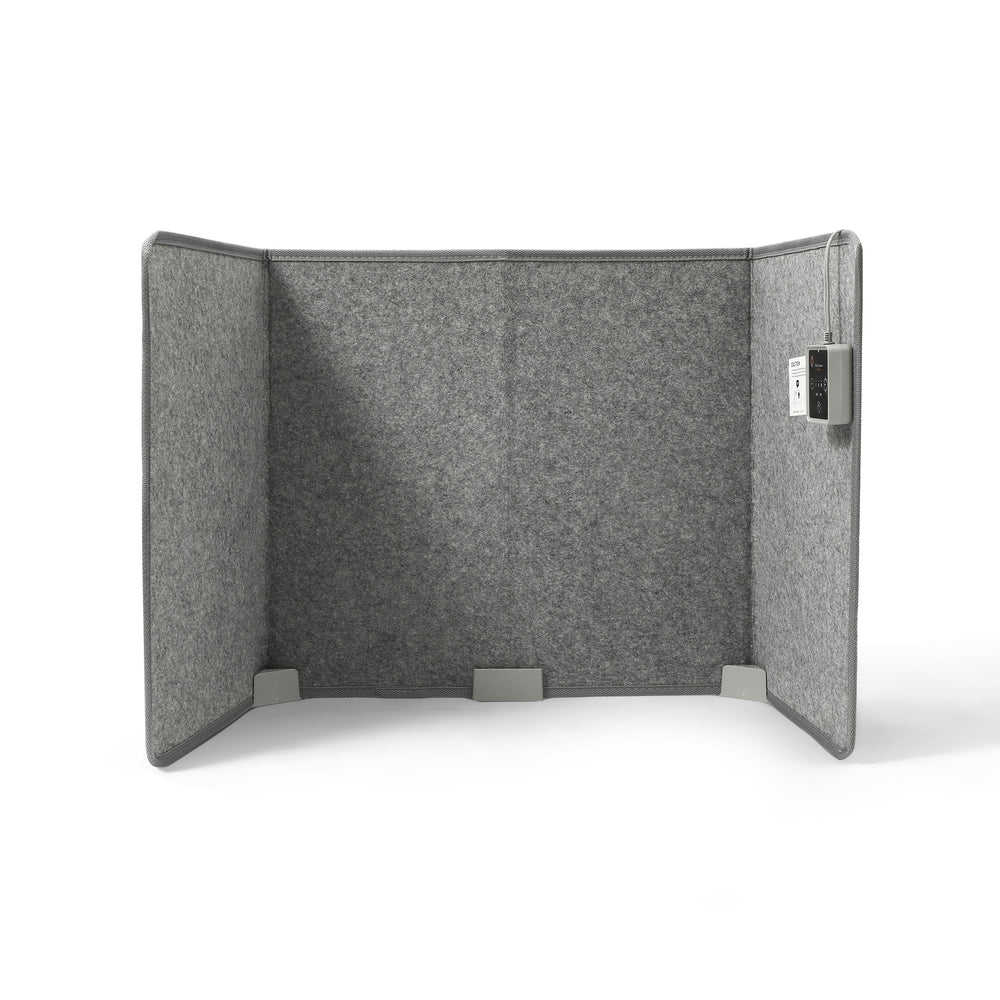
Foldable Space Heater - Silent Radiant Heat - Leg & Foot Warmer with Thermostat (NZ/AU Plug)
$117.00
Silent Radiant Heat – Enjoy peaceful, whisper-quiet heating in your home office, study, or workspace. Custom Warmth – Choose from 3 heating presets (50°C–70°C) with an intuitive thermostat and timer to keep your comfort level just right. Safe & Energy Efficient – Built-in 2–4 hour timer and automatic tip-over protection. Low power consumption makes it safe around kids and pets while reducing energy costs. Portable & Compact – Slim, lightweight, and foldable design makes it easy to carry from desk to dorm, studio, or even a tent. Versatile Use – Perfect for warming legs and feet under desks, nurseries, or for keeping pets cozy during winter. Safe and effective for any indoor space
WhisperHeat
Working Out What It Costs to Run
| Heater | Power | 4 hours | 4 hours a day, for a month |
|---|---|---|---|
| Personal / under-desk | 400W | about 48c | about $14 |
| Small panel heater | 1000W | about $1.20 | about $36 |
| Fan or panel heater | 2000W | about $2.40 | about $72 |
| Large oil column | 2400W | about $2.88 | about $86 |
Every row above is a generic example, not a product listed on this page — the wattages are round numbers chosen to show the arithmetic. The 30c rate is an illustration too, not your tariff: take the real number off your own power bill, since rates differ by retailer, plan and region. These are also full-power figures, so anything with a working thermostat cycles off and costs less than shown.
Which Type Suits Which Room
Here is the part the marketing tends to obscure: every plug-in electric heater turns essentially all the electricity it draws into heat. At the same wattage, none of them is meaningfully cheaper to run than another. What differs is how the heat is delivered — and therefore how much of it ends up in you rather than the ceiling:
Radiant — Warms objects, not air
Heats what is in front of it the way sunlight does — you, rather than the room. Effect is immediate and stops when you move out of its line. Good for a desk, a chair, a workshop, or any space too big or draughty to heat properly.
Fan heater — Fast, noisy, short-lived
Blows air across a hot element. Warms a small room quickly and cools just as quickly once it is off. The noise rules it out for a bedroom or a room you take calls in.
Convection panel — Even, quiet, slow
Warms air that then circulates through the room. Slower to be noticeable than a fan heater but far more even, and quiet enough for a bedroom.
Oil column — Slow, steady, retains heat
A convector that heats oil inside fins. Slowest to warm up, but it keeps radiating after it switches off, which suits a room you occupy for hours.
Heat pump — The efficient exception
Not a resistive heater at all — it moves heat rather than making it, which is why it delivers several units of heat per unit of electricity. A different purchase entirely, but the relevant comparison for whole-house heating.
So the useful question is not "which is most efficient" but "how much space am I actually heating, and for how long". A 400W radiant heater pointed at one chair beats a 2kW heater warming a room nobody is sitting in the middle of.
Safety Rules Worth Knowing
Heaters are one of the leading causes of house fires, and the causes are consistent enough to be worth listing:
Plug it straight into a wall socket
Never into a multi-board or a light-duty extension lead. Heaters draw high current continuously, which is exactly what overloads a multi-board and starts a fire in the lead, not the heater.
Keep a clear metre in front
Curtains, bedding, laundry drying on a rack, furniture and paper all need to stay well clear. Check the manual for the specific clearance the manufacturer requires.
Never use one to dry clothes
Draping anything over a heater traps heat against the element. This is one of the most common causes of heater fires.
Switch it off when you leave or sleep
Unless it is a model specifically designed and rated for unattended overnight use, and its manual says so.
Put it where it cannot be knocked over
Tip-over cut-outs are a backstop, not a substitute for a stable position out of the path of children, pets and feet.
Check the cord before each season
A cracked, frayed or discoloured cord or plug means the heater goes out of service, not into another winter.
If you take one rule from this page: a heater goes straight into a wall socket. Not a multi-board, not a light-duty extension lead. The heater is rarely what catches fire — the overloaded lead is. Always follow the instructions in the manual for the specific appliance, which override anything general said here.
Free Things to Try First
A heater replaces heat you are losing. It is usually cheaper to lose less of it:
- Block draughts first. A door snake and stopping a draughty window gap does more for a cold room than another 500W of heating, and it costs nothing to run.
- Close the curtains at dusk. Most heat leaves through glass, and closing curtains before the room cools traps what you have already paid for.
- Aim the heat where you actually sit. A small heater pointed at one chair costs a fraction of warming a whole room you are only using one corner of.
- Close the door to the room you are heating. Heating a room that opens onto a cold hallway is heating the hallway.
- Use the timer. Most of the waste in home heating is a heater running in an empty room.
None of this replaces heating a genuinely cold house — but it does change how much heating you need to buy and run.
How to Order
Delivery is free on orders above $69, and there is no minimum order value. Enter your postcode at checkout to confirm delivery coverage for your address, or read how DoorToShop works.
Frequently Asked Questions: Electric Heating
How much does an electric heater cost to run?
Multiply the heater's kilowatts by the hours you run it, then by your unit rate per kWh from your power bill. A 2kW heater run for 5 hours uses 10kWh; at an illustrative 30 cents per kWh that is about $3.00. A 400W personal heater run for the same 5 hours uses 2kWh — about 60 cents on the same assumption. Use the rate from your own bill, because rates vary by retailer, plan and region.
Which type of heater is most efficient?
Every plug-in resistive heater — radiant, fan, panel, oil column — turns essentially all the electricity it draws into heat, so none is meaningfully more efficient than another at the same wattage. What differs is how the heat is delivered and therefore how much of it reaches you. A heat pump is the genuine exception, because it moves existing heat rather than generating it and so delivers several units of heat per unit of electricity.
Is a small personal heater cheaper than heating the room?
Usually, yes — because it is a smaller wattage running for less time. A 400W heater aimed at where you sit draws a fifth of what a 2kW room heater draws. The trade-off is that it warms you rather than the space, so it suits a desk or a chair rather than a room you move around in.
What is the difference between radiant and convection heating?
Radiant heaters warm objects and people directly, the way sunlight does — you feel it immediately, and only where the heat reaches. Convection heaters warm the air, which then circulates, so the whole room becomes warmer but it takes longer to notice. Radiant suits a spot; convection suits a room you sit in for hours.
Can I plug a heater into an extension lead or multi-board?
No. Plug a heater directly into a wall socket. Heaters draw high current continuously, which is what overloads multi-boards and light-duty extension leads — and the fire starts in the lead rather than the heater.
How far should a heater be from furniture and curtains?
Keep it well clear of curtains, bedding, furniture, paper and anything else that can burn, and check the manual for the specific clearance the manufacturer requires. Never drape clothing over a heater to dry it — trapped heat against the element is one of the most common causes of heater fires.
Can I leave a heater on overnight?
Only if the model is specifically designed and rated for unattended use and its manual says so. Otherwise switch it off when you leave the room or go to sleep.
Does a thermostat actually save money?
Yes, because the heater cycles off once the room reaches the set temperature instead of drawing full power continuously. A timer does the same job for the other big source of waste — a heater running in an empty room.
What is the least expensive way to make a cold room warmer?
Before buying anything: block draughts, close curtains at dusk, and shut the door to the room you are heating. Those cost nothing to run and often make more difference than adding another few hundred watts of heating.
How fast is delivery?
Orders are dispatched by the merchant the next business day and typically arrive within 1 to 3 business days by courier. Enter your postcode at checkout to confirm delivery coverage for your address.
How much does delivery cost?
Free delivery applies on orders above $69 — the delivery fee is confirmed at checkout. There is no minimum order value.
What if it arrives faulty?
Returns and exchanges are handled by the merchant who sold the item, and nothing in a store's policy limits your rights under the Consumer Guarantees Act. Contact DoorToShop support if you need help reaching the merchant.